Flying and Safety After Diving | Scuba Guidelines
Flying and Safety After Diving
 Hi, Theo’s here again!
Having been a professional dive instructor for the past 11 years; diving mainly around the areas of Khao Lak and Similan Islands many of my clients have wanted to know more of the risks that are involved in flying after diving. This is such an important topic and it is always helpful to know the guidelines and the reasons behind each of them to improve the safety of scuba diving. For this, I have combined my findings of the research studies conducted and the applicability of my learned industry standards on this topic, along with my personal recommendations and observations.
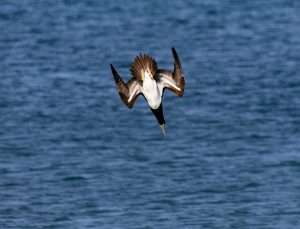 A Quick reminder, It’s diving after flying which is problematic, not before, you can fly and jump from airplane james bond style and scuba right away.
Understanding the Risks
 There is a primary risk when flying after diving, which is decompression sickness or – the bends This occurs when the body takes in nitrogen from the breathing gas found in the scuba tank while diving. Deep down, this nitrogen disperses into your tissues due to the pressure affecting your body. Going higher and pressure drops, dissolved nitrogen has to be discharged through your lungs gradually. If you climb up too fast or start flying again too soon after the dive, then the pressure gets less and that’s when you start getting nitrogen bubbles in your tissues and blood, that leads to DCS.
General guidelines for Flying After Diving
1. Minimum Surface Interval: DAN and other diving authorities state a minimum time that should elapse between your last dive and flying. Single dive recommendation range is at least 12 hours. For multiple dives or continuous days at diving, it should not be less than 18-24 hours in average. This provides the body ample time to expunge the extra nitrogen from the blood through off gassing.
2. Depth and Duration Considerations: The more and the deeper you dive the more nitrogen you will take in your body tissues. Hence, especially in cases where the diver has gone deep or stayed the duration of the dive for quite a long time, more than the prescribed minimum time should elapse before the diver gets on a flight. But always count on your dive computer or the dive tables as you will find recommendations to your specific dive profiles.
3. Conservative Dive Profiles: Always you should ensure that you take a rather cautious approach to the divers’ profile. It is advisable to stay within your safety limits as indicated by your dive computer and incorporating safety stops in your ascals. Calm approach also minimizes the quantity of nitrogen remaining in the body and thereby less chances of DCS.
4. Plan Ahead: This should be bearing in mind the flight schedules at the time you are planning your dive trips. After weighing the various options, opte for the one which would give you adequate time out of the water before getting a plane; ideally 24 hours.
5. Use Dive Computers: Alongside with other new generation instruments they are one of the most prospective tools for regulation of the reserved dive profiles and nitrogen uptake. These are done during the preparation for the next dive and after the dive, recommending the following time post-diving before flying. Make certain that you comprehend how to properly use the dive computer and how exactly you are supposed to follow that.
6. Hydration and Rest: This is why practice like taking water and taking rest can be helpful in the of gassing process. For this reason, dehydration is a danger and increase the chances of DCS. Therefore, drink water regularly and do not consume alcohol after the dive. You can also consume electrolyte drinks.
Besides, it is appropriate to have sufficient sleep to allow the body to rest and expel nitrogen out of your system.
7. Nitrox: Use nitrox for your dives, with a higher concentration of oxygen in the tank, 32% usually, your body absorbs less nitrogene. You can take the nitrox course onland before your trip.
Case Studies and Experiences
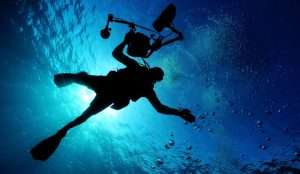 Below are some of the situations as a dive instructor that the divers will be benefited with these principles. For instance, in one occasion I was in a team of divers during a Similan liveaboard and there was a diver who did not adhere to the 24h surface interval rule and during flight the diver experienced mild DCS. Luckily, the above symptoms were identified at this stage and did not complicate, the diver received proper medical assistance after landing.
Final Thoughts
The risk doesn’t exist if you follow the rules, so plan accordingly, don’t play the russian rulette with safety rules when scuba diving.
Keep a conservative diver profile and wait 24h before flying. Therefore, if all your planning regarding diving and flying is done on your computers, ensure enough water consumption and take optimum and sufficiently long breaks between your flying schedules, the impact that arises out of your diving and flying experiences should not be a worry to you.
Safe diving and happy travels!
About The Author

Connect with Khao Lak Explorer on:


Where to find us?

Why Us?


WhatsApp +66 611195733
Line khaolakexplorerdive
Viber +66 611195733
WeChat Khao-Lak-Explorer
#KhaoLakExplorer
@KhaoLakExplorer
©2026 Khao Lak Explorer
Created by Khao Lak Explorer